Great Barrier Reef Snorkelling from Cairns: Best Tours, Reefs and What to Expect
Two-site outer reef boats, Moore Reef pontoons or Green Island: which snorkelling day from Cairns suits beginners, families and strong swimmers, and what you will see.
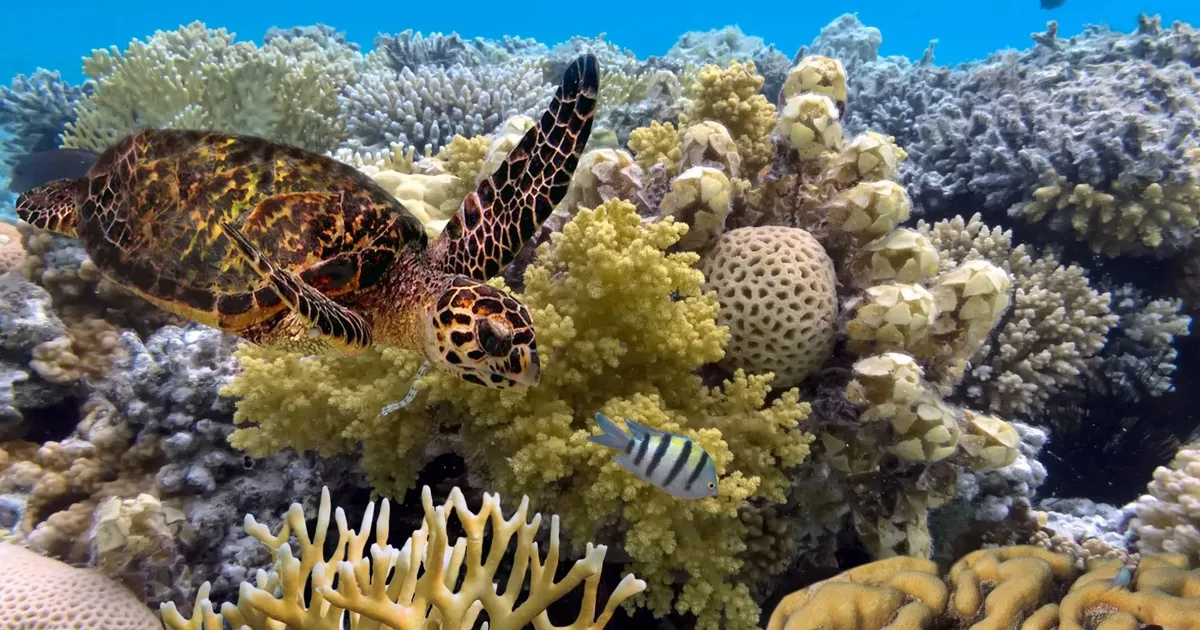
If snorkelling is the main reason you are going out from Cairns, book a dedicated outer reef boat that visits two reef sites, such as the Passions of Paradise catamaran at $193. If you are a beginner, a nervous swimmer or travelling with children, a pontoon at Moore Reef is the easier day. If you want a beach as much as coral, go to Green Island or Fitzroy Island.
Boats leave Cairns for the outer reef, coral cays and the islands all year, and the mask, snorkel and fins come with almost every full-day trip. Finding a trip is easy. Choosing the right kind of snorkelling day takes a little more thought, because one boat may spend the whole day moving between two outer reef sites, another ties up at a single pontoon with wide steps and flotation, and an island trip gives part of the day to the beach. Those differences matter far more than whether one boat is ten minutes faster than another.
Check Availability
At a glance: which Cairns snorkelling trip is best for you?
| If you want | Best choice | A tour to look at first |
|---|---|---|
| The most snorkelling-focused day | Two-site outer reef boat | Passions of Paradise catamaran, $193 |
| An easy first snorkel | Outer reef pontoon | Reef Magic five-hour pontoon day, $228 |
| Help for a nervous swimmer | Pontoon with a guided snorkel | Great Adventures Moore Reef day, $199 |
| Room to roam for a confident swimmer | Multi-site outer reef boat | Silverswift three-site trip, $216 |
| A day the whole family can share | Moore Reef pontoon | Sunlover Moore Reef pontoon, $200 |
| A beach as well as snorkelling | Green Island or Fitzroy Island | Green Island cruise, $79 |
| A beach and the outer reef in one day | Island and reef combination | Green Island and Moore Reef combo, $219 |
| A small group | Smaller sailing or snorkel boat | Small-group snorkelling tour, $182 |
| A marine biologist in the water with you | Guided snorkel tour | Silverswift’s guided third stop |
| The longest time at the reef | Dedicated outer reef snorkel and dive boat | Ocean Freedom coral cay cruise, six hours, $203 |
Prices are per person in US dollars as GetYourGuide quotes them on the day we checked, and they move with the exchange rate. The snorkelling tours page sets the snorkel boats side by side.
Is Cairns good for Great Barrier Reef snorkelling?
Yes, and not only because the reef is close. Cairns sits beside one of the most visited and best-served stretches of the Great Barrier Reef. The Great Barrier Reef Marine Park Authority manages it as the Cairns Planning Area, which takes in Green Island Reef, Michaelmas Cay and the outer reefs the day boats use.
What that gives you is choice. From Cairns you can snorkel:
- from an outer reef pontoon
- straight off the back of a reef boat
- at two separate outer reef sites in one day
- from the beach on Green Island
- from the beach on Fitzroy Island
- beside a coral cay
- with a marine biologist on a guided snorkel
- as part of a snorkel and scuba trip
- for several days on a liveaboard
Tourism Tropical North Queensland notes that snorkelling trips leave Cairns and the other ports of the region for both the inner and outer reef, and that several islands have fringing reef you can reach from the shore. So Cairns works for almost everyone, but the right trip for a nervous beginner is rarely the right one for someone happy to snorkel for three hours.
The first decision: Outer Reef or island snorkelling?
This narrows the list faster than anything else.
Choose the Outer Reef if:
- seeing coral is your main priority
- you want to spend most of the day snorkelling
- you are comfortable getting into the sea from a boat or a pontoon
- you would like more than one snorkelling site
- this may be your only day on the reef
Choose an island if:
- you want a tropical beach as well
- you would like to be able to walk out of the water onto land
- some of your group may not want to snorkel much
- a rainforest walk appeals
- you are travelling with young children
- you want a shorter boat ride
For a day where the reef comes first, lean towards the outer reef. For a tropical island day that includes some snorkelling, Green Island or Fitzroy Island makes more sense. Our guide to how far the reef is from Cairns has the crossing times for each.
What is the Outer Great Barrier Reef?
The Great Barrier Reef is not one continuous wall of coral. It is a system of thousands of separate reefs and islands, and from Cairns most snorkelling boats travel tens of kilometres offshore to the reefs people call the outer reef. These are the names you will see on the itineraries:
- Moore Reef
- Flynn Reef
- Milln Reef
- Norman Reef
- Hastings Reef
- Saxon Reef
Which one you visit depends on the operator, and on the boats that are not tied to one pontoon, on the weather. A dedicated snorkelling boat can pick its sites on the morning to suit the wind, which is one of its quiet advantages.
Best overall for keen snorkellers: a two-site Outer Reef boat
If you are coming to Cairns mainly to snorkel, start here. The Passions of Paradise premium catamaran (our breakdown) sails to two outer reef sites chosen on the day from a list that includes Flynn, Milln, Norman and Hastings reefs, and its $193 fare includes the snorkel gear and a guided snorkel tour. It is the most-reviewed reef cruise from Cairns, rated 4.8 from more than 3,800 reviews.
The appeal is that the whole day is about getting you into the water. You are not paying for an underwater observatory, a waterslide, helmet diving or a large floating platform. You are paying to reach two reefs and snorkel them.
Why two sites can be better
Two reef sites can differ in:
- the shape and kind of coral
- depth
- visibility
- the fish you see
- shelter from the wind
- current
Moving between them also makes the day feel more like exploring. A two-site trip does not automatically beat a one-site pontoon, though: a superb reef with four or five hours to enjoy it can be better than rushing between several average stops. For confident swimmers who want to explore, a two-site boat usually has the edge. The small-group snorkelling tour (our breakdown) at $182 does the same two-site day on a smaller, faster boat with a snorkel guide, rated 4.8 from more than 350 reviews.
Best for beginners: an Outer Reef pontoon
If you have never snorkelled before, a pontoon makes the first time much easier. A pontoon is a large platform moored permanently beside the reef. Instead of climbing down the back of a boat into open water, you usually have:
- wide steps into the water
- a shallow or sheltered snorkelling area
- lifeguards watching
- flotation vests and noodles
- somewhere to rest
- toilets and changing rooms
- an easy way back out
Reef Magic’s Moore Reef platform is a good example. Reef Magic says its snorkelling lagoon is about 4 to 5 metres deep near the steps, so beginners can see coral without swimming far, and it has flotation gear and floating rest stations. The Reef Magic five-hour pontoon day (our breakdown) gives you five hours at the reef after a crossing of about 90 minutes, for $228, rated 4.7 from more than 180 reviews.
For a nervous snorkeller, that mix of easy entry, shallow coral, people watching and plenty of time is what makes the day work.
Moore Reef: one of the easiest reefs for first-time snorkellers
Moore Reef turns up on so many Cairns itineraries because several of the big operators have their pontoons there. Sunlover’s pontoon sits about 47 km offshore, according to Sunlover, and the Sunlover Moore Reef pontoon day (our breakdown) includes snorkel gear, a Lycra suit and a life jacket for $200, rated 4.5 from more than 400 reviews. Reef Magic’s platform, which it puts about 45 km from Cairns, sits beside water that runs from a shallow lagoon to a much deeper reef wall.
That range is useful. A beginner can stay close to the platform while stronger snorkellers head further out on a guided safari.
Best for
- a first snorkel
- families
- nervous swimmers
- groups with mixed swimming ability
- anyone who wants a guided snorkel
- groups that include a non-swimmer
Less ideal for
- travellers who want a small-boat feel
- experienced snorkellers who want several reef sites
- anyone who wants the whole day to be about swimming
Our pontoon tours page compares the Moore Reef platforms.
Is Green Island good for snorkelling?
Yes, as long as you know what you are choosing. Green Island is a coral cay ringed by reef, and it is much closer to Cairns than the outer reef sites. Its strength is flexibility. In one day you can combine:
- snorkelling
- swimming
- beach time
- a rainforest walk
- a glass-bottom boat trip
- doing nothing on the sand
Green Island also has a patrolled swimming area. Surf Life Saving Australia’s Beachsafe service lists lifeguard patrols there and names reef, deep water, strong currents and marine stingers among the hazards, which is a good reason to stay inside the flags and follow local advice. The Great Adventures Green Island cruise (our breakdown) starts at $79 with up to seven hours on the island, rated 4.4 from more than 1,900 reviews, and the Big Cat full-day Green Island cruise (our breakdown) starts at $77, rated 4.5 from more than 1,700 reviews.
Who should choose Green Island?
Green Island suits you if your thinking runs: “I want to snorkel, but I don’t want the whole day to be about snorkelling.” If instead you have flown halfway round the world for the best reef day you can get, compare it with an outer reef trip before you book. Our Green Island tours page lists the options.
What about Fitzroy Island?
Fitzroy Island is the other strong choice if you want a more independent island day. Unlike an outer reef boat, an island lets you decide when to swim, walk, eat or sit on the beach. The Fitzroy Island full-day trip (our breakdown) starts at $76 and gives you up to seven hours on a granite island with walking tracks, rated 4.5 from more than 1,900 reviews.
The trade-off is the same as on Green Island: island time replaces some reef time. For active travellers who want a beach and a hike with some snorkelling, that is the point. See the Fitzroy Island tours page for the ferries.
Outer Reef vs Green Island for snorkelling
| Outer Reef | Green Island | |
|---|---|---|
| Focus on the reef | Very strong | Moderate |
| Beach | Usually none | Yes, the main draw |
| Dry land to step onto | Only on a pontoon | Yes, all day |
| Coral-focused trip | Excellent | Good |
| Beginners | Excellent on a pontoon | Good |
| Strong swimmers | Excellent | Good |
| Non-swimmers | Excellent on a pontoon | Excellent |
| Families | Excellent on a pontoon | Excellent |
| More than one reef site | Possible | No |
| Shorter crossing | No | Yes, about 45 minutes |
In one line each
The outer reef is the better choice if the reef itself is the goal. Green Island is the better choice if you want a tropical island that also has reef.
Pontoon vs reef boat for snorkelling
This choice matters more than the operator.
Choose a pontoon if you want:
- the easiest way into the water
- lifeguards watching
- flotation aids
- somewhere stable to rest
- shade
- toilets close by
- a guided snorkel
- things to do for non-swimmers
- a reef day that works for three generations
Choose a boat-based trip if you want:
- more adventurous snorkelling
- more than one reef site
- fewer theme-park extras
- a more active day
- a chance of a smaller group
- more of the day given to snorkelling and diving
Neither is better in general. The right one is the one that matches how comfortable you are in open water.
Do you need to be a strong swimmer?
No. But there is a big difference between “I am not a strong swimmer” and “I cannot swim at all”.
Someone who can swim but lacks confidence can usually snorkel comfortably with a flotation vest or a pool noodle, a guided snorkel, a shallow entry and a supervised reef area.
If you cannot swim, be more careful. Pick a pontoon and talk to the crew before you get in. Some trips offer close help for nervous swimmers, but never assume someone will stay beside you or tow you unless the operator has said so. The snorkel-only boats are stricter: the small-group snorkelling tour lists non-swimmers among the people it does not suit.
And if you cannot swim at all, you can still see the reef through a glass-bottom boat, a semi-submersible or an underwater observatory. Our guide for non-swimmers covers those days.
Should beginners book a guided snorkel tour?
Often, yes. It is one of the few extras to consider even when snorkelling is already included. A guide helps in two ways.
1. Confidence
A guide can show you:
- how to breathe calmly through the snorkel
- how to clear water from the mask
- how to use your fins
- where to position yourself
- how to float instead of fighting the water
2. Seeing more
A marine biologist or naturalist can point out animals a first-time visitor would swim straight past. Reef Magic offers a beginner-focused guided snorkel and a more advanced snorkel safari that uses a separate boat to reach the outer reef wall. Sunlover sells a marine biologist guided snorkel at Moore Reef, which Sunlover lists at A$65 per adult on its own site; its GetYourGuide day does not include it. Some boats build the guide into the fare: the Passions of Paradise catamaran includes a guided snorkel tour, and the Silverswift three-site trip runs a guided snorkel with a marine biologist at its last stop.
If you are spending a few hundred dollars to reach the reef, a guide is usually better value than another holiday extra.
What will you actually see while snorkelling?
Marketing photos make this look simple. You are unlikely to see every famous reef animal on one swim, but depending on the reef and the day, snorkellers may come across:
- branching coral
- plate coral
- massive boulder corals
- giant clams
- parrotfish
- butterflyfish
- surgeonfish
- damselfish
- anemonefish
- wrasse
- trevally
- reef sharks
- rays
- sea turtles
Green turtles live in the Cairns Planning Area, and whales pass through the wider region in season. Don’t judge a reef trip by whether you saw a turtle. Wild animals do not keep to an itinerary.
Can you snorkel with turtles from Cairns?
Quite possibly. Green turtles are found throughout the Great Barrier Reef, including the reefs off Cairns, but no honest general reef tour will promise one.
If you see a turtle:
- give it space
- do not chase it
- do not try to touch it
- do not swim across its path
The Reef Authority asks visitors not to chase, grab, ride or block free-swimming animals such as turtles. The best encounter is one where the turtle barely needs to react to you.
Can you see reef sharks while snorkelling?
Yes. Small reef sharks turn up on reef snorkelling trips, and for many first-time visitors the first one is alarming for a second and then becomes the highlight of the day. Follow the crew’s briefing, and never chase one for a photo.
What is the best time of year to snorkel the Great Barrier Reef from Cairns?
You can snorkel the reef all year. The Great Barrier Reef Marine Park Authority says the Marine Park can be visited in every month, and no month turns Cairns into anything other than a reef destination. What changes is the experience.
June to August
Cairns winter is drier and cooler. Tourism Tropical North Queensland gives average winter air temperatures of about 17.5°C to 26.2°C, so the days are comfortable on land, and that makes these busy months.
September to November
Spring grows warmer while staying fairly dry. Coral spawning usually happens a few nights after a full moon between October and December, and the outer reefs often spawn later than the inshore ones. The exact nights vary every year.
December to February
Summer is hotter and wetter, which does not automatically mean poor visibility. Tourism Tropical North Queensland notes that summer northerly winds can bring calm seas and excellent clarity on the reef.
March to May
The wet season eases, the water is still warm, and the busy winter months have not yet begun.
The important point
The month is only part of the story. On the day you snorkel, these can matter far more:
- wind
- swell
- recent weather
- current
- tide
- the reef site itself
So no calendar month can promise the clearest water. Our best time to visit guide goes through the year month by month.
What is the water temperature?
Warm enough to snorkel all year, though you will notice the difference between summer and winter. The sea off Cairns sits around 29°C in summer and around 24°C in winter. Reef Magic’s own seasonal guide for its Moore Reef pontoon gives:
- December to February: about 29°C
- March to May: about 25°C
- June to August: about 22°C
- September to November: about 25°C
Individual days and sites vary. In the cooler months a wetsuit makes a long snorkel much more comfortable, and many boats include one.
Does rain ruin Great Barrier Reef snorkelling?
Not necessarily, which surprises many visitors. Rain over Cairns does not mean poor conditions on the reef. The mountains behind the coast can give the city very different weather from the water 50 km offshore.
What matters more is usually:
- how strong the wind is
- the swell
- chop on the surface
Reef Magic says much the same: wind and swell affect its reef days more than rain does. So don’t write the day off because the sky outside your hotel window looks grey at 7am. The crew are the ones who judge the sea.
Is low tide or high tide better for snorkelling?
There is no single rule. At low tide the coral sits closer to the surface, shallow features can look spectacular, and some patches become too shallow to swim over. At high tide you have more water above the coral, some routes become easier, and the coral sits further below you.
Which is better depends on the reef. That is one more reason the crew’s advice beats general internet advice: they know their own sites.
What about visibility?
Visitors often picture visibility as a fixed number that belongs to the Great Barrier Reef. It isn’t. It changes with:
- weather
- wind
- current
- tide
- plankton
- the reef site
- recent rain
- the season
The outer reefs lie further from the coastal rivers and their sediment than the inshore sites, which is one reason snorkellers who care most about the coral favour them. Reef Magic, for example, says its Moore Reef site is about 45 km offshore, away from rivers and sandy beaches, which helps keep the water clear. Even so, not every day will look like a tourism photo.
When is marine stinger season?
Tropical marine stingers matter in north Queensland. Surf Life Saving Australia describes the main tropical stinger season as November to March and recommends a full-body Lycra suit in tropical waters through that time. Around Cairns, operators hand out suits from roughly November to May, and in the far north the season can run from October to June.
You will usually be offered or advised to wear:
- a Lycra suit
- a wetsuit
- protective swimwear
The Reef Authority recommends a wetsuit or Lycra suit for any snorkelling or diving, because it protects you from both the sun and jellyfish.
Should stinger season stop you visiting?
No. Millions of people visit Tropical North Queensland in the warmer months, and the reef boats keep running. What matters is that you:
- wear the suit you are given
- follow the crew’s instructions
- stay inside the marked snorkelling areas
- listen to the safety briefing
What should you wear for Great Barrier Reef snorkelling?
In the water:
- swimwear
- a Lycra or stinger suit, supplied or hired
- a wetsuit when it helps
- mask
- snorkel
- fins
On the boat:
- a hat
- sunglasses
- light clothing
- something dry for the ride home
The tropical sun is much stronger than many visitors expect. Tourism Tropical North Queensland recommends broad-spectrum SPF30+ or higher, protective clothing and long-sleeved swimwear, with sunscreen reapplied after swimming. Two hours floating face down with a bare back is one of the easiest ways to spoil a reef holiday.
Is snorkelling equipment included?
On the main full-day reef trips from Cairns, yes. The Passions of Paradise catamaran includes the gear and a guided snorkel tour. The Sunlover Moore Reef day includes mask, snorkel, fins and a Lycra suit. The Great Adventures Moore Reef day includes snorkel gear, buoyancy vests and Lycra suits. Check each listing, especially the cheaper island ferry fares, where gear is sometimes an extra.
What if you wear glasses?
Many snorkel boats carry prescription masks. The Passions of Paradise catamaran lists them free of charge, and the Divers Den reef day includes them too. If your prescription is strong, ask before the day instead of hoping the right lens is on board. Contact lenses work for many people under a well-fitted mask, but follow your own optician’s advice.
How much do Cairns Great Barrier Reef snorkelling tours cost?
These are the from-prices for the four best-known full-day trips on GetYourGuide, per person in US dollars:
| Trip | From |
|---|---|
| Passions of Paradise outer reef catamaran | $193 |
| Great Adventures Moore Reef pontoon | $199 |
| Sunlover Moore Reef pontoon | $200 |
| Reef Magic five-hour pontoon | $228 |
Practical budget
For a full day of snorkelling on the outer reef from Cairns, budget roughly $175 to $230 per person. The lowest full outer reef day on this site is the Reef Magic culture day at $174. On top of that come the extras you choose:
- a guided snorkel, where it is not included
- scuba diving
- a helicopter flight
- underwater photos
- hotel transfers
The Environmental Management Charge, AUD 8.50 per person for a full day from 1 April 2026, is either in the fare or collected on board. Prices change, so check the live price for your date.
Is the cheapest snorkelling tour worth booking?
It can be. But compare more than the headline price:
- Where does it go?
- How many reef sites?
- How long do you spend at the reef?
- Is the snorkel gear included?
- Is a guided snorkel included?
- Are Lycra suits or wetsuits included?
- Is lunch included?
- Does the boat suit how confident you are in the water?
- Is there anything for non-swimmers?
- What charges appear at checkout?
A cheaper trip can be excellent if all you want is to snorkel. A dearer pontoon can be better value for a family who will use five different activities. The Half-Day Snorkelling Tour at $126 is the lowest half-day fare to the outer reef on this site, with 1.5 hours of guided snorkelling, rated 4.7 from more than 1,900 reviews. Our half-day tours page has the rest.
Representative Cairns snorkelling options
Passions of Paradise
Best for people who mainly want to snorkel or dive. The premium catamaran day leaves Cairns for two outer reef sites, with snorkel gear, a guided snorkel tour and a buffet lunch included and scuba available as an extra. It costs $193. It earns its place on a short list because you get two reefs and a day organised around snorkelling and diving, without the pontoon attractions.
Reef Magic
Best for beginners who still want the outer reef. The five-hour pontoon day crosses in about 90 minutes and spends about five hours at Moore Reef, with a sheltered snorkel lagoon, easy entry from the platform, snorkel gear, a glass-bottom boat, a semi-submersible and an underwater observatory. A guided snorkel safari is an extra. It costs $228. Five hours at one base gives a beginner time to learn without every minute being scheduled.
Sunlover Moore Reef
Best for families and mixed groups. The Sunlover pontoon day ties up at Moore Reef with snorkel gear and a Lycra suit, a glass-bottom boat, a semi-submersible, an underwater observatory and a waterslide; Sunlover’s own site also describes an enclosed ocean pool and about four hours at the reef. A marine biologist guided snorkel is sold separately. It costs $200 and leaves at 10:15am. It works especially well when one person wants to snorkel for hours and another barely wants to get wet.
Great Adventures Outer Reef
Best for travellers who want a classic pontoon day. The Great Adventures Moore Reef day includes three hours at its activity platform, snorkel gear, a 30-minute semi-submarine tour, an underwater observatory, a marine biologist presentation and a buffet lunch with prawns, for $199, rated 4.6 from 87 reviews.
Important distinction
That listing gives three hours at the platform, against about five for Reef Magic and about four for Sunlover. So compare the hours at the reef, not just the words “full day”.
Best Cairns snorkelling tour by traveller type
Best for serious snorkelling
A multi-site outer reef boat, because more of the day goes on the reef. The Silverswift three-site trip at $216 stops at three reefs.
Best for a complete beginner
A Moore Reef pontoon: controlled entry, flotation, lifeguards and shallow coral beside the platform.
Best for nervous swimmers
A pontoon plus a guided snorkel. The guide matters more than chasing the theoretically best coral, and confidence changes what you see.
Best for children
A pontoon. Somewhere easy to climb out, rest, eat and get back in makes a long day far easier.
Best for couples
A smaller outer reef boat or a sailing trip, if you both swim well. The Ocean Free sailing day (our breakdown) takes no more than 25 guests to its reef mooring and Green Island, for $203, rated 4.8 from more than 400 reviews.
Best for mixed swimmers and non-swimmers
A pontoon, where one person snorkels while another rides the semi-submersible or sits in the observatory.
Best for reef + beach
Green Island or Fitzroy Island. Neither feels like a full day on the outer reef, but both give you something an outer reef boat can’t: a real tropical island. If you want both, the Green Island and Moore Reef combo (our breakdown) spends the morning on the island and the afternoon at the pontoon, for $219.
How long can you actually snorkel?
This matters more than how long the tour lasts. A “full-day tour” can include 90 minutes out, 90 minutes back, lunch, safety briefings and other activities. That is a long way from eight hours in the water. The listings show the spread:
- Reef Magic: about five hours at the pontoon
- Sunlover: about four hours at Moore Reef, by Sunlover’s own figure
- Great Adventures: three hours at the platform
- Ocean Freedom: about six hours at Upolu Reef
If snorkelling is your priority, time at the reef is one of the first numbers to compare.
Should you choose one reef or multiple reefs?
For confident snorkellers, two good sites is the sweet spot: you get variety without turning the day into a string of transfers. Three or more sites sound impressive, but every move costs time in the water.
For beginners, one excellent reef with plenty of time can be better. You can learn slowly, take breaks, go back in, join a guided tour later and return to a spot you liked. More stops do not automatically mean better value.
Is snorkelling the Great Barrier Reef difficult?
Usually not, but open-water snorkelling is different from swimming in a pool. You may meet:
- chop
- current
- salt water in your snorkel
- the strangeness of deep water below you
- small waves slapping your mask
- other swimmers
The commonest beginner mistake is trying too hard. Snorkelling works best when you float, breathe slowly, kick gently, keep your body flat and stop fighting the water. If you feel uncomfortable, raise a hand and let the crew help you instead of wearing yourself out.
How to stop your mask leaking
A few small things make a big difference.
Before entering
- move your hair away from the edge of the mask
- make sure no hat strap or Lycra hood is caught under the seal
- don’t over-tighten the strap
- press the mask gently to your face and check it holds
A mask strapped on painfully tight often leaks more. Ask the crew to refit it if you need to; there is no prize for struggling for half an hour with gear that doesn’t fit.
How to avoid swallowing seawater through the snorkel
Keep the snorkel upright and breathe normally. If water gets in:
- stay calm
- blow firmly through the snorkel
- lift your head if you need to
- settle and carry on
Beginners often panic after the first mouthful of salt water. In a supervised area that is unpleasant, not dangerous, as long as you stay calm.
Do you need fins?
Wear them unless the crew say otherwise. Fins give you more push for less effort, better control in a current and a way to move without using your arms. The main risk is forgetting how long your feet have suddenly become, so keep them well clear of the coral.
Can you stand on coral?
No. Even where coral looks like rock, don’t stand on it. The Great Barrier Reef Marine Park Authority asks snorkellers and divers not to touch or lean on the reef, because poor control can crush or break coral. If you need a rest:
- use your flotation vest
- go back to the boat or the pontoon
- use the floating rest stations
Coral is never a handy underwater bench.
Reef etiquette: five rules worth remembering
- Don’t touch coral.
- Don’t stand on the reef.
- Don’t chase turtles, sharks or rays.
- Don’t feed the fish.
- Keep control of your fins when you take photos.
The Reef Authority also asks snorkellers to stay at least a metre from giant clams and out of the path of free-swimming animals. No photo is worth kicking the reef behind you.
What should you bring?
Bring:
- swimwear
- a towel
- a hat
- sunglasses
- reef-safe sunscreen where the crew ask for it
- dry clothes
- a reusable water bottle
- a payment card
- any essential medication
- motion-sickness tablets if you need them
- an underwater camera if you own one
Most boats provide the mask, snorkel, fins and flotation. Some include a Lycra suit or wetsuit as standard and others vary it with the season, so check before you carry your own gear across Australia.
Seasickness: the problem people underestimate
If you have never been seasick, this may feel unnecessary. If you have, it may be the most useful part of this page. The crossing to the outer reef takes about 90 minutes on the big Cairns boats, and the sea can change completely from one day to the next.
If you are prone to motion sickness:
- take something before the boat leaves
- don’t spend the crossing reading your phone
- look at the horizon
- sit where the crew suggest
- get fresh air when you can
- skip the huge greasy breakfast
Reef Magic recommends taking seasickness tablets about 30 minutes before departure. Preventing it works far better than trying to fix it once it starts.
Should you snorkel and scuba dive on the same trip?
Yes, if you want to try both. Many Cairns boats carry snorkellers and divers together, and the Passions of Paradise catamaran sells introductory and certified dives as extras on its snorkel day. But if snorkelling is already new to you, don’t feel you have to cram a first dive into the same day. A relaxed snorkel can be far more enjoyable than moving from one briefing to the next. Our diving guide covers first dives in detail.
Can children snorkel the Great Barrier Reef?
Yes, depending on:
- how well they swim
- how confident they are
- their age
- the weather
- the operator
Pontoons are the easy choice, because a child can snorkel for ten minutes, climb out, rest and try again later. The Sunlover Moore Reef pontoon, for example, has lifeguards and shallow lagoon areas aimed at families and nervous swimmers. For young children the question is less whether they can technically snorkel and more whether they will enjoy a full day on a boat and in unfamiliar open water. Note that some snorkel-only boats set a minimum age: the small-group snorkelling tour does not take children under six.
Can older travellers snorkel?
Age alone is rarely the issue. Mobility, confidence in the water and general health matter more. Look for:
- wide steps
- handrails
- entry from a platform
- flotation
- an easy way back out of the water
Some boats set limits: the small-group snorkelling tour lists people over 65 among those it does not suit. If your mobility is limited, contact the operator before booking instead of relying on a general “accessible” label.
Is Great Barrier Reef snorkelling safe?
The commercial reef boats from Cairns run organised snorkelling with safety briefings, equipment and lookouts. It is still an open-water activity, and the risks include:
- tiredness
- currents
- waves
- panic
- marine stingers
- sunburn
- dehydration
- existing medical conditions
Tell the crew about anything relevant, and don’t overstate how well you swim out of embarrassment. They would much rather help you before you get in than pull you out once you are exhausted.
What is the best Great Barrier Reef snorkelling from Cairns?
No single reef is the best on every day, because the wind and tide decide which sites are at their best. Moore Reef is the easiest outer reef for beginners and families, with shallow coral beside the pontoons. The reefs the two-site boats rotate between, such as Flynn, Milln, Norman and Hastings, suit confident snorkellers who want variety. Upolu Reef and its coral cay give the longest time in the water, and Michaelmas Cay lets you snorkel straight off the sand on the Michaelmas Cay sailing day (our breakdown) at $202. Green Island and Fitzroy Island suit anyone who wants a beach as well.
Choose the kind of trip first and the brand second.
Bottom line
For most people looking for the best Great Barrier Reef snorkelling from Cairns, the choice comes down to this:
- a confident swimmer for whom snorkelling is the whole point should book a two-site outer reef boat
- a beginner or nervous swimmer should book a Moore Reef pontoon
- a family with mixed swimming ability should book a pontoon
- if you want a beach as much as coral, go to Green Island or Fitzroy Island
- if you have one reef day and the reef is what you came for, go to the outer reef
Don’t choose by the prettiest boat or the longest list of extras, and don’t assume every trip labelled “Great Barrier Reef snorkelling” gives you the same day. The number to look for is simple: how much good snorkelling time you will get.
Frequently asked questions
Is snorkelling included in Great Barrier Reef tours from Cairns?
On the main full-day trips, yes. The Passions of Paradise catamaran, the Sunlover pontoon, the Reef Magic pontoon and the Great Adventures pontoon all include standard snorkel gear.
Where is the best snorkelling near Cairns?
For coral and marine life, start with the outer reef. Moore Reef is the easiest for beginners, while the two-site boats visit reefs such as Flynn, Milln, Norman and Hastings, depending on the operator and the day’s conditions.
Is Green Island or the Outer Reef better for snorkelling?
The outer reef is usually the better choice if snorkelling is your main priority. Green Island is better if you want reef, beach and rainforest in the same day.
Is Moore Reef good for snorkelling?
Yes. Several of the big Cairns pontoons are moored there, with shallow coral close to the platforms and deeper reef wall further out, which makes it especially good for first-time snorkellers.
Can you snorkel the Great Barrier Reef if you can’t swim?
Some non-swimmers take part with flotation and close help, but it depends on the person and the operator, and snorkel-only boats often exclude non-swimmers. A pontoon is the safest kind of trip to ask about, and you can see the reef without getting wet from a glass-bottom boat, a semi-submersible or an underwater observatory.
Is snorkelling better than scuba diving on the Great Barrier Reef?
Neither is better for everyone. Snorkelling is cheaper and easier and lets you explore shallow coral for longer without a certificate. Scuba lets you stay below the surface and reach deeper parts of the reef.
How much does Great Barrier Reef snorkelling from Cairns cost?
A full day of snorkelling on the outer reef costs roughly $175 to $230 per person on GetYourGuide, before extras. Half days start at $126 and island trips at about $76.
How long does it take to reach the reef from Cairns?
Most outer reef trips take about 90 minutes each way. Green Island and Fitzroy Island are about 45 minutes away.
Can you snorkel the Great Barrier Reef all year?
Yes. The Marine Park can be visited in every month. The weather, water temperature and sea conditions change with the season.
What month has the best visibility?
No month guarantees it. Wind, swell, tide, current, recent weather and the reef site matter as much as the season.
Is summer bad for Great Barrier Reef snorkelling?
No. Summer is hotter and wetter, but calm northerly days can bring excellent clarity on the reef.
Do I need a wetsuit?
Not always. The water stays fairly warm all year, but a wetsuit makes the cooler months more comfortable, and Lycra suits are widely used for sun and stinger protection.
Are there jellyfish on the Great Barrier Reef?
Yes, tropical marine stingers live in north Queensland waters. Lycra suits are standard, especially in the warmer months, and you should follow the crew’s instructions.
Will I see turtles?
You might. Green turtles live around the Cairns reefs, but no one can promise a sighting.
Will I see sharks?
Reef sharks are often seen, though it varies. Follow the crew’s instructions and don’t chase them.
Is a guided snorkel worth paying for?
For a first-time visitor, often yes. It combines help in the water with someone explaining what you are looking at, and you notice animals you would otherwise swim past.
Want the snorkel-first day? Check availability on the Passions of Paradise catamaran for your dates.
Two Outer Reef Sites, One Day on a Catamaran
Snorkelling gear and a guided snorkel tour, a chef-prepared lunch, morning and afternoon tea, and a marine life talk on board. Rated by more than 3,800 guests, with free cancellation.
Check Availability & Book