Outer Great Barrier Reef from Cairns: Is the Outer Reef Worth It?
Is the outer reef worth the longer boat ride from Cairns? Reef sites, pontoon or multi-site boat, crossing times, reef time, prices and who should book one.
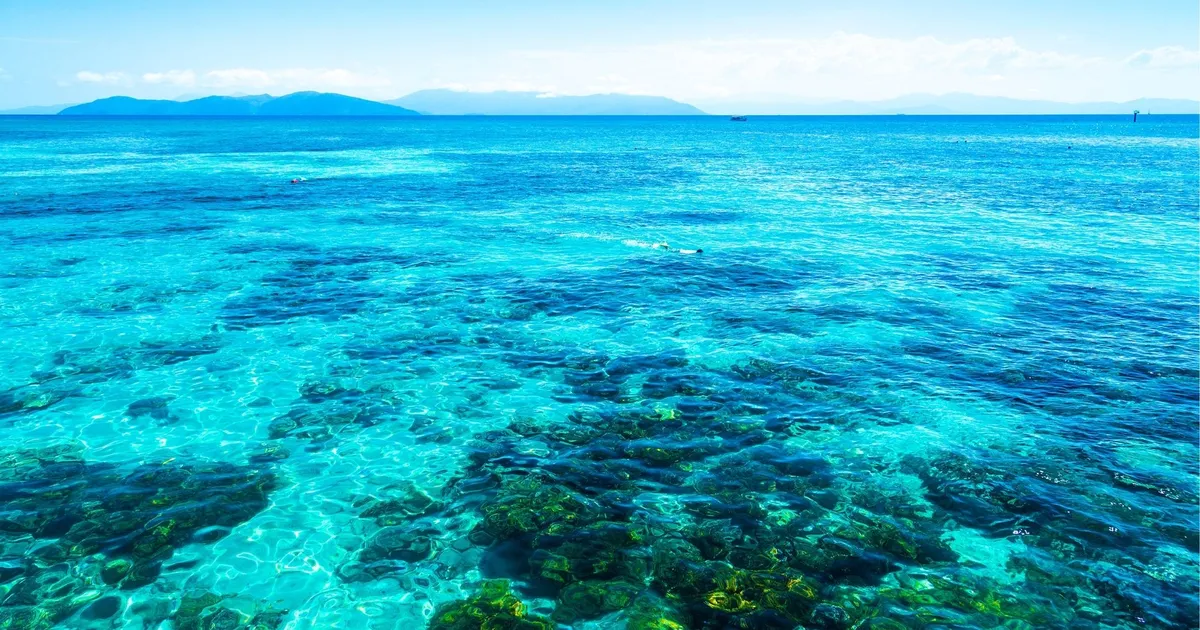
Yes, for most people who came to Cairns to see the Great Barrier Reef underwater, the outer reef is worth the longer crossing and the higher fare. You spend 75 minutes to two hours on the boat each way and pay more than for an island ferry, and in return you get four or five hours on coral, either at one pontoon or across two or three reef sites.
If you have one reef day and your priorities are coral, fish, snorkelling or diving, book the outer reef over an island trip. If beaches, rainforest and a short crossing matter more, Green Island or Fitzroy Island will suit you better, and our outer reef vs Green Island comparison sets the two side by side.
Check Availability
Outer reef from Cairns at a glance
| Question | Answer |
|---|---|
| Is the outer reef worth it? | Yes, especially for snorkelling and diving |
| Is it better than Green Island? | Usually, for coral and time in the water |
| Is it better than Fitzroy Island? | For reef snorkelling, usually; for beaches and hiking, no |
| How long is the crossing? | About 75 minutes to two hours each way, depending on the boat and the reef |
| How far offshore? | Moore Reef, where the biggest pontoons moor, is about 47 km out |
| How much time at the reef? | Usually four to five hours |
| Can non-swimmers go? | Yes, on a pontoon with a semi-submersible and observatory |
| Can beginners snorkel? | Yes, with flotation gear and a supervised area |
| Can you scuba dive? | Yes, including introductory dives on many boats |
| Is there a beach? | Usually not |
| Can children go? | Yes; pontoons suit families best |
| Will you see turtles? | Often, never guaranteed |
| Does “outer reef” mean the very edge of the reef? | Not necessarily, as the next section explains |
Two shapes of day sit under the same name. A pontoon day takes you to one large platform moored beside a reef, with easy snorkelling, a glass-bottom boat and things to do for people who stay dry. A multi-site boat moves between two or three reef sites and suits confident snorkellers and divers. Both are outer reef days.
What does “outer reef” mean from Cairns?
The outer reef is not one place. The Great Barrier Reef is made up of thousands of separate reefs, and each Cairns operator holds permits and moorings at particular ones. Two tours that both sell an “outer Great Barrier Reef trip” can take you to different reefs, and the skipper often picks the day’s site from the weather.
The names you will see most often on Cairns itineraries:
- Moore Reef
- Flynn Reef
- Milln Reef
- Thetford Reef
- Pellowe Reef
- Norman Reef
- Hastings Reef
Some boats stay at one of these all day; others move between several.
“Outer reef” also does not always mean the literal outer edge of the continental shelf. Silverswift, for example, calls its Cairns sites at Flynn, Milln, Thetford and Pellowe outer barrier reefs that sit about 5 km inside the shelf edge, while its Port Douglas sister boat visits the Agincourt ribbon reefs right on the edge (Silver Series FAQs). For most visitors the quality of the site on the day and the type of trip matter more than that distinction.
Why go to the outer reef instead of an island?
On an outer reef trip the whole day happens at the reef. An island trip gives you a beach, rainforest walks, swimming and some snorkelling. An outer reef trip gives you coral, snorkelling, diving and marine life, with very little else competing for your time.
If you have flown a long way with one thought in mind, “I want to see the Great Barrier Reef”, the outer reef is the trip that comes closest to that picture.
Is the outer reef better?
For snorkelling and diving, usually yes. For the holiday as a whole, it depends on your group. Green Island, Fitzroy Island and the offshore reefs suit different days.
The outer reef usually comes out ahead if you care most about:
- coral
- underwater visibility
- time snorkelling
- scuba diving
- seeing more than one reef environment
- spending most of the day in the water
An island trip often comes out ahead if you care more about:
- beaches
- walking
- rainforest
- relaxing on land
- a shorter boat ride
- having something to do if you do not want to snorkel
For a first and possibly only Great Barrier Reef visit, we lean towards the outer reef. Our guide to whether the reef is worth visiting at all covers the bigger question.
What an outer reef tour from Cairns looks like
There are two main formats, and choosing between them matters more than choosing between reef names.
Outer reef pontoon
A fast catamaran takes you to a large platform permanently moored beside a reef. You stay there for several hours and use the pontoon as your base. Typical facilities:
- unlimited snorkelling from platforms and stairs
- flotation devices
- guided snorkel tours, usually as an add-on
- glass-bottom boat
- semi-submersible
- underwater observatory
- scuba diving, paid as an extra
- lunch
- showers and changing rooms
- shaded seating and sun decks
Sunlover’s Moore Reef day is the clearest example: its pontoon sits 47 km offshore, the crossing takes about 90 minutes, and you get about four hours at the reef, from 11:45am to 3:45pm (Sunlover). On GetYourGuide it sells as the Outer Great Barrier Reef Pontoon Day with Activities from $200, rated 4.5 from 404 reviews. This is the easiest outer reef format for many first-time visitors, and our pontoon tours page compares the platforms.
Multi-site outer reef boat
On these trips the boat is your base. You snorkel or dive at two or three reef sites in the day.
The Silverswift Three Reef Sites in One Day trip leaves Cairns at 8:30am, visits three outer reef sites, gives you about five hours on the reef and is back at 4:30pm. It chooses its sites from Flynn, Pellowe, Milln and Thetford reefs (Silver Series). On GetYourGuide it costs $216, rated 4.8 from 674 reviews.
This format suits:
- confident snorkellers
- certified divers
- people who want variety
- travellers who care more about time in the water than facilities
Pontoon vs multi-site boat: which is better?
| Pontoon | Multi-site boat | |
|---|---|---|
| Suits | Beginners, families, mixed groups | Confident snorkellers and divers |
| Reef sites | Usually 1 | Usually 2 or 3 |
| Things to do for non-swimmers | Plenty | Few |
| Getting into the water | Stairs from a stable platform | Steps off the boat’s stern |
| Glass-bottom boat | Often included | Sometimes |
| Semi-submersible | Often included | Usually not |
| Underwater observatory | Often | No |
| Diving | Usually available | Often a main focus |
| Children | Very good | Better for children who are at home in the water |
| Time in the water | Flexible | High |
| Variety of reef | Lower | Higher |
| Space to relax | Large decks and shade | More limited |
| Serious snorkelling | Good | Very good |
Choose a pontoon if even one person in your group is nervous about swimming, very young, older, or not that keen on snorkelling. The Premium Five-Hour Outer Reef Pontoon Experience at $228, rated 4.7 from 187 reviews, gives the longest pontoon stay on this site, with a semi-submersible, a glass-bottom boat and an observatory.
Choose a multi-site boat if everyone in the group is asking where the fins are and nobody wants the glass-bottom boat.
Best outer reef trip for first-time visitors
For most first-time visitors a well-equipped pontoon is hard to beat, because nobody has to commit to one activity. One person snorkels, another tries an introductory dive, the grandparents take the semi-submersible, the children press their faces to the observatory windows, and anyone who tires can sit down, eat lunch and go back in later. That flexibility makes pontoons unusually good for groups.
Best outer reef trip for snorkellers
If your aim is to snorkel as much good reef as you can, pick a boat that visits more than one site. Silverswift visits three sites in the day and picks them by conditions. Passions of Paradise visits two outer reef sites, chosen from 24 private moorings to suit the day’s weather (Passions of Paradise). On GetYourGuide that trip is the Great Barrier Reef Cruise by Premium Catamaran at $193, rated 4.8 from 3,895 reviews, the most-reviewed reef cruise on this site.
That choice of sites matters because the most famous reef name is not always the best site on the morning you go. Our snorkelling guide goes further into how to choose.
Best outer reef trip for scuba divers
Divers should also lean towards a multi-site dive and snorkel boat over a family pontoon. The Silverswift offers certified divers up to three dives in the day, and introductory divers can book a supervised first dive without a certificate (Silver Series). The Premium Snorkelling and Diving Day Trip at $179, rated 4.6 from 1,599 reviews, runs on a boat built for diving with up to five hours at the reef.
If diving is the main purpose of the day, check:
- how many dives are available
- the maximum group size
- whether dives are guided
- whether equipment is included
- which reefs the boat uses
- how many sites it visits
- whether beginners and certified divers dive separately
A boat that is ideal for a family of five may not suit two experienced divers. Our scuba diving guide and diving tours page cover dive boats in detail.
Which outer reef sites are best from Cairns?
No single reef is best every day. Different reefs, and different parts of the same reef, vary in coral, depth, current, shelter, fish life, visibility and dive profile, and conditions change daily. A good skipper may choose a less famous site because it is calmer or clearer that morning, and that works in your favour. These are the names you are most likely to see.
Moore Reef
Moore Reef is one of the best-known Cairns outer reef destinations because the large pontoons moor there. Sunlover’s platform sits about 47 km offshore and works as a base for snorkelling, diving, semi-submersible trips and underwater viewing, with a 9,000-square-metre snorkelling lagoon (Sunlover).
It suits families, non-swimmers, first-time snorkellers, mixed groups and anyone who wants plenty included. It suits experienced snorkellers who want several reefs less well.
Flynn Reef
Flynn is a popular multi-site destination from Cairns. Silverswift lists sites there including Coral Gardens, Tracey’s Bommie, Gordon’s Mooring and Tennis Court, and publishes visibility of about 15 to 20 m across the reef and 15 to 30 m at Coral Gardens, depending on conditions (Silver Series dive sites). It suits snorkellers, certified and introductory divers, and anyone who wants varied coral.
Milln Reef
Milln is another outer reef used by Cairns dive and snorkel boats, with depths of about 5 to 30 m and a wall dive at Whale Bommie, according to Silverswift’s site notes. You are most likely to visit it on a boat that changes sites during the day, so it suits divers, confident snorkellers and multi-site trips.
Thetford Reef
Thetford is part of Silverswift’s pool of Cairns sites, with sheltered spots such as Blue Lagoon. Whether Thetford beats Flynn matters less than whether the operator can choose a site that suits the day’s conditions.
Pellowe Reef
Pellowe is a small, isolated reef near the edge of the continental shelf, and access depends heavily on weather and tide. So do not choose an operator only because one reef name appears in its brochure.
Norman and Hastings reefs
Both names turn up often in Cairns itineraries and sit in the wider offshore tourism area. Some operators use fixed facilities on these reefs and others use moorings; the Reef Cruise and Scenic Helicopter Flight, for example, flies its 10-minute helicopter flight at Hastings Reef. Here too, look at how the tour runs, not only at the reef’s name.
How far is the outer reef from Cairns?
It depends on the reef. Sunlover’s Moore Reef pontoon is 47 km offshore, and most outer reef sites the day boats use are further out than Green Island, which is about 27 km away.
On fast catamarans the crossing usually takes about 75 minutes to two hours each way. Silverswift reaches its first reef in about 80 minutes, Sunlover takes about 90 minutes to Moore Reef, and the Passions of Paradise sailing catamaran takes closer to two hours. The time varies with:
- the boat
- the reef
- wind
- swell
- the route
That is why an outer reef trip fills most of your day. Our guide to how far the reef is from Cairns goes through the times boat by boat.
How much time do you get at the reef?
Do not compare tours by total length alone: a nine-hour day can include close to four hours of crossings plus boarding. Look for the time at the reef. Good Cairns day trips usually give you about four to five hours at or across reef sites:
- Sunlover Moore Reef: about four hours at the pontoon (Sunlover)
- Silverswift: about five hours across three reef sites (Silver Series)
For snorkellers, the next question is how much of that time you can spend in the water once lunch, briefings and site moves are counted.
What does the outer reef look like?
Do not expect a tropical island. From the boat, much of the outer reef looks like blue ocean, a few turquoise patches and more blue ocean. The interest is underneath you.
From the air the structure is obvious: shallow turquoise flats, darker coral and deep channels. Underwater you may see:
- coral gardens
- bommies
- sand channels
- reef slopes
- drop-offs
- giant clams
- schools of reef fish
This is why outer reef marketing photos can confuse people. The helicopter view is not what you see standing on the deck; once your face is in the water, the reef looks very different again.
Is the coral better on the outer reef?
If you want the best chance of seeing impressive coral, choose an outer reef trip, but do not expect every metre of every reef to look like a postcard. Reef condition changes with marine heatwaves, coral bleaching, cyclones, crown-of-thorns starfish, storms, disease and recovery.
The Reef Authority publishes regular reef health updates, and recent ones describe bleaching, cyclone and storm damage, disease and crown-of-thorns control that vary from reef to reef, alongside reefs in recovery. Its yearly reef snapshot sets out the cumulative pressures from heat, cyclones, flooding and crown-of-thorns starfish.
So the outer reef is not untouched and pristine. Some sites look spectacular; others have recent damage. Condition varies reef by reef and even site by site.
Will I see dead or bleached coral?
Possibly some, and you may also see large areas of living coral. A reef is a wild ecosystem, not a maintained aquarium.
Pale coral is not always dead or bleached: different species come in creams, browns, greens, blues and other colours. Bleaching is a stress response, not death, and coral can recover if conditions improve.
If reef health matters to your decision, look for operators that take part in reef monitoring and conservation, and do not judge by social media photos from years ago. The Reef Authority works with tourism operators on monitoring, predator control and reef stewardship through its Tourism Reef Protection Initiative.
What marine life might you see?
Fish and animals you may see at Cairns outer reef sites:
- parrotfish
- butterflyfish
- angelfish
- damselfish
- clownfish
- surgeonfish
- giant clams
- sea cucumbers
- rays
- reef sharks
- sea turtles
- wrasse
- schooling fish
Larger animals also move through the wider region at certain times of year. Nothing wild is guaranteed, though. Do not book a trip because its listing shows a turtle: you might see three, or none.
Can beginners snorkel at the outer reef?
Yes. A large pontoon is one of the easiest places in the world to try snorkelling for the first time. You can usually expect:
- a snorkel briefing
- masks, snorkels and fins
- flotation equipment
- supervised swimming areas
- staff watching the water
- optional guided snorkel tours
A nervous beginner should pick a pontoon over a dive-focused boat. Tell the crew you are inexperienced, and do not claim to be a confident swimmer because the person beside you is.
What if I can’t swim?
You can still visit the outer reef, which is one reason pontoons rate so well. Sunlover’s Moore Reef day includes a glass-bottom boat, a semi-submersible and an underwater observatory in the fare, with snorkelling for anyone who wants it and a marine-biologist guided snorkel as an add-on (Sunlover). A non-swimmer can see the reef and stay dry.
If someone in your group does not swim, check the inclusions carefully: a small snorkel boat offers them far less. Our guide for non-swimmers compares the dry options.
Is the outer reef good for children?
Yes, especially on a pontoon. Children who can swim tend to love the snorkelling, the fish, the glass-bottom boat, the semi-submersible and the underwater windows. Sunlover’s pontoon also has a 30 m waterslide that drops into the snorkelling lagoon (Sunlover).
A full outer reef day can be long for toddlers, though. Think about:
- the 90-minute crossing each way
- the full-day schedule
- sun exposure
- naps
- motion sickness
- whether your child enjoys boats
For very young children an island trip can be easier, because you can put your feet on land.
Is the outer reef good for older travellers?
It can be excellent, especially on a pontoon. You do not need to be athletic, and you do not have to snorkel. Access varies a lot between boats, though. If mobility is limited, ask the operator before booking about:
- steps
- gangways
- wheelchair access
- accessible toilets
- getting on the semi-submersible
- transfers onto small boats
- getting into the water
“Accessible” can mean very different things on a marine tour.
Will I get seasick?
Possibly, and this is the biggest drawback of the outer reef. You cross more exposed water than on most island trips, and even a large catamaran moves noticeably in rough conditions. If you are prone to motion sickness:
- take your usual preventative medication as its instructions say
- take it early enough to work
- avoid a heavy breakfast
- sit somewhere with fresh air
- keep your eyes on the horizon
- stay off your phone
- ask the crew where the boat moves least
If a one-hour ferry already makes you miserable, weigh that seriously. The outer reef may still be the right call, but enthusiasm will not cure seasickness.
What happens if the weather is bad?
Operators can change reef sites to suit conditions, which is a real advantage of multi-site boats with many moorings. Passions of Paradise picks its two sites from 24 moorings according to the weather, and says weather can occasionally change the itinerary or reduce the number of sites visited (Passions of Paradise). Silverswift likewise chooses among its permitted sites by conditions.
So your exact reef is not guaranteed, and that is not a reason to stay ashore. An experienced skipper choosing the best practical reef on the day serves you better than a name printed in a brochure.
What matters more: rain or wind?
Wind and sea state usually matter more than a rain cloud over Cairns. A rainy day can still give good snorkelling. Strong wind can mean:
- rougher crossings
- more seasickness
- surface chop
- harder snorkelling
- less comfort
Underwater visibility depends on several factors and you cannot predict it from a general Cairns forecast.
What is the best time of year for the outer reef?
Cairns reef trips run all year. The broad pattern:
May to October
The drier months usually bring lower humidity, cooler days, less rain and more visitors. Many snorkellers and divers prefer this period.
November to April
The wet season brings warmer water, higher humidity, more rain, the chance of tropical weather and marine-stinger precautions. Tours still run through these months, subject to conditions.
There is no need to skip the reef because your Australia trip falls in January or February, but a spare day helps when the weather is unsettled. Our best time to visit guide goes month by month.
How much does an outer reef trip from Cairns cost?
On GetYourGuide, where this site quotes prices in US dollars, full outer reef days start at $174 and most cost $193 to $228. Booked direct with the operators in Australian dollars, adult fares for a full snorkelling day in the 2026–27 season run from about A$275 to A$318, with diving and other extras on top.
| Tour | Direct adult fare (AUD) | On GetYourGuide (USD) |
|---|---|---|
| Passions of Paradise | A$275, levies included | $193, 4.8 from 3,895 reviews |
| Silverswift | A$308 plus a A$10 fuel surcharge | $216, 4.8 from 674 reviews |
| Sunlover Moore Reef | A$317, fuel levy included | $200, 4.5 from 404 reviews |
| Reef Magic five-hour pontoon | not compared here | $228, 4.7 from 187 reviews |
The direct fares come from the operators’ own price pages: Passions of Paradise lists A$275 for 1 April 2026 to 31 March 2027, including the reef and port levies (Passions pricing); Silverswift lists A$308 for its standard snorkel day, with a A$10 per adult fuel surcharge from 1 April 2026 (Silver Series fares); and Sunlover lists A$317 with its fuel levy included (Sunlover).
Always check the final price before you pay, because:
- rates change
- child age bands differ between operators
- levies are bundled differently
- diving costs extra
- hotel transfers may cost extra
What is usually included?
A standard outer reef snorkelling day usually includes:
- the return cruise from Cairns
- snorkelling equipment
- flotation devices
- lunch
- tea and coffee
- a safety briefing
- the reef visit itself
- the Environmental Management Charge, either in the fare or listed beside it
Depending on the operator you may also get guided snorkelling, a glass-bottom boat, a semi-submersible, an underwater observatory and a wetsuit or stinger suit. Check each listing.
What costs extra?
Possible extras:
- introductory scuba dives
- certified dives
- advanced guided snorkel tours
- underwater photos
- helicopter flights
- hotel transfers
- souvenirs
- premium food and drinks
Compare what each fare includes before you compare headline prices. A pontoon ticket that covers lunch, a semi-submersible and a glass-bottom boat can work out better value for a family than a lower fare that needs several add-ons.
What is the reef’s Environmental Management Charge?
Most commercial visitors to the Marine Park pay an Environmental Management Charge, which the operator collects and passes to the Reef Authority to help manage the park. The full-day charge is A$8.50 per person, rising to A$9.00 from 1 April 2027 (Reef Authority). Many operators now include it in the displayed fare.
Outer reef vs Green Island
If you are stuck between the two, pick the outer reef for:
- a day spent on the reef
- dedicated snorkelling
- diving
- several hours around coral
- a once-in-a-lifetime reef trip
Pick Green Island for:
- a beach
- rainforest
- a shorter crossing, about 45 minutes
- island atmosphere
- more freedom on land
For one day, our pick is the outer reef. The Green Island Full-Day and Half-Day Cruise costs $79, rated 4.4 from 1,948 reviews, if the island suits you better; see is Green Island worth visiting and our Green Island tours page.
Outer reef vs Fitzroy Island
Fitzroy is a different day again. Pick the outer reef for snorkelling, coral, diving and a reef-focused day. Pick Fitzroy for beaches, hiking, rainforest, exploring an island and some snorkelling between walks.
If you want to spend most of your day underwater, go to the outer reef. If you want to split the day between reef and island, Fitzroy becomes more attractive: the Fitzroy Island Full-Day Trip costs $76, rated 4.5 from 1,995 reviews, and our Fitzroy Island page compares the options.
Outer reef vs Michaelmas Cay
This comparison interests keen snorkellers. Michaelmas Cay combines reef, shallow water, a small sand cay, seabirds and snorkelling, so it sits halfway between a pure outer reef boat and an island day. The Michaelmas Cay and Great Barrier Reef Full-Day Snorkel costs $202, rated 4.7 from 159 reviews, with four hours at the cay and a semi-submersible tour.
Can you combine an island and the outer reef?
Yes. Sunlover runs a Fitzroy Island and Moore Reef day, sold as the Great Barrier Reef and Fitzroy Island Boat Tour at $200, rated 4.6 from 241 reviews. Great Adventures runs the Green Island and Outer Reef Pontoon Day Trip at $219, rated 4.6 from 99 reviews, with about two hours on Green Island and three at its outer reef pontoon.
These work well if you have only one free day. You get more variety and less time in each place. Dedicated snorkellers should still give the whole day to the outer reef.
Can you fly to the outer reef?
Yes. Some tours combine a reef cruise with a helicopter flight. Sunlover sells short scenic flights from Moore Reef, fly-one-way-and-cruise-the-other packages and longer flights, from A$527 including the reef day (Sunlover). On GetYourGuide the Reef Cruise and Scenic Helicopter Flight at $309, rated 4.6 from 1,177 reviews, adds a 10-minute flight at Hastings Reef to a full snorkelling day.
A flight does two things at once: you see the reef’s structure from the air, and on a fly-cruise package you spend less time on the boat. It costs a lot more, and the view from above is completely different from what you see at water level.
Is a helicopter worth adding?
If your budget allows, this is the upgrade that makes the most sense. Underwater you see the coral and the wildlife; from the air you see the scale and shape of the reef. The two views complement each other.
Spend your money in roughly this order:
- a good outer reef trip
- a guided snorkel or dive, if useful
- a scenic flight
- other optional upgrades
Do not buy a helicopter upgrade by choosing a weaker reef trip. If you want the view without the boat, the Outer Edges Scenic Flight from $140, rated 4.9 from 3,605 reviews, flies over the reef from Cairns; our scenic flights page lists the rest.
What should you bring?
For a full outer reef day:
- swimwear
- a towel
- reef-safe sun protection
- a hat
- sunglasses
- dry clothes
- a reusable water bottle
- seasickness medication if needed
- a camera
- a waterproof phone case if useful
- your certification card if diving
- a warm layer for cool or windy days
Most major operators supply the snorkel gear.
Do you need an underwater camera?
No, but you will probably wish you had one. A waterproof action camera, a waterproof compact camera or a properly rated phone housing all work. Do not touch or stand on coral to get a photo; a blurry turtle picture is not worth damaging the reef.
Can you touch the coral?
No. Coral is living tissue over a hard skeleton and contact damages it. Stay horizontal, control your fins, use flotation if you need it, and if you cannot keep off the coral without standing up, ask the crew for help.
Is the outer reef crowded?
Some pontoons carry a lot of passengers, but the water does not always feel packed, because people spread out between snorkelling, diving, semi-submersible trips, lunch, the observatory and the deck. Smaller boats feel more personal but have fewer places to spread out.
If crowding matters to you, look at:
- the boat’s capacity
- how many guests it actually carries
- the number of sites
- the size of the pontoon
- the size of the snorkelling area
- the departure schedule
A small boat is not automatically better.
Should you choose the smallest tour possible?
Not necessarily. Small-group trips suit you if you value personal attention, a strong snorkelling focus, fewer people and less infrastructure. Large pontoons suit you if you value stability, easy access, lots of activities, food and facilities, options for non-swimmers and flexibility for a family. Neither format is better for everyone. The Small-Group Snorkelling Tour at $182, rated 4.8 from 377 reviews, is the small-boat option to look at first.
Which Cairns outer reef tour type should you book?
- First-time visitors: an outer reef pontoon, such as the Moore Reef day.
- Snorkellers: a multi-site boat that visits two or three reefs.
- Scuba divers: a dive-focused multi-site boat; the Silverswift is a good example.
- Families: a pontoon, because the facilities make a real difference.
- Non-swimmers: a pontoon with a semi-submersible and an underwater observatory.
- Couples: a multi-site boat if you are active, or a pontoon plus a scenic flight for a once-in-a-lifetime splurge.
- Photographers: the outer reef plus a scenic flight.
- Nervous swimmers: a pontoon.
- People prone to seasickness: consider Green Island instead, or a fly-cruise package if the budget allows.
Three outer reef trips we would look at first
An all-round Moore Reef pontoon
Sunlover’s Moore Reef pontoon day suits families, beginners, non-swimmers and mixed groups. You get about four hours at the reef, snorkelling, a semi-submersible, underwater viewing and easy facilities.
A three-site boat for snorkellers and divers
The Silverswift three-site day suits confident snorkellers, divers and anyone who wants more than one reef, with three sites and about five hours on the reef.
A two-site catamaran with a slower pace
The Passions of Paradise catamaran suits snorkellers, couples and anyone who wants two reef sites without a pontoon. It picks its two sites by the day’s conditions.
Is the outer reef worth it if you only snorkel?
Yes. You do not need to dive to justify the trip offshore; for most visitors the standard outer reef day is a snorkelling day. Good reef can be shallow, and much of the colour and fish life is visible from the surface. Scuba takes you closer to some environments but is not automatically better.
Is the outer reef worth it if you’ve never snorkelled before?
Yes, if you choose the tour carefully. Pick a pontoon with guided snorkelling and flotation equipment over a dive-focused multi-site trip. There is no prize for booking the most advanced tour; the right one is the one where you feel comfortable enough to look at the reef.
Is the outer reef worth it if you’re afraid of deep water?
Possibly, and a pontoon is again the answer. You can start in the underwater observatory, move to the glass-bottom boat, then try a flotation device in the shallow supervised area. If you decide not to get in at all, you have still seen the reef. A small snorkel boat gives you fewer fallback options.
Is the outer reef worth it if the forecast says rain?
Usually, yes. Rain rarely spoils the day. Pay more attention to the wind, the swell, the marine forecast and the operator’s advice. Do not cancel the day you have waited years for because your weather app shows a cloud with three raindrops; tropical weather changes quickly.
Is the outer reef worth it for just one day in Cairns?
Yes, and this is when we would prioritise it. With one free day in Cairns and no previous visit to the reef, book an outer reef trip and leave the town’s other sights for another time. The reef is the experience you cannot get anywhere else.
How many outer reef days do you need?
For most visitors, one full day is enough. Keen divers and snorkellers can easily fill two or more, because different reefs look surprisingly different. Certified divers considering several reef days should look at an overnight liveaboard.
Day trip vs liveaboard
Choose a day trip if:
- this is your first time on the reef
- you have limited time
- you mainly snorkel
- you are unsure how you will cope offshore
Choose a liveaboard if:
- diving is a main purpose of your trip
- you want several dives
- you want dawn or night dives
- you want to reach more remote sites
- you enjoy being at sea
The 2-Day Dive and Snorkel Liveaboard at $470, rated 4.6 from 107 reviews, takes 12 guests on a 16-metre yacht; its fare covers snorkelling and dives are paid on board. For most Cairns visitors, though, the full-day outer reef trip is the right length.
The disadvantages of the outer reef
There are real drawbacks:
- A longer boat ride: 75 minutes to two hours each way.
- Seasickness: the offshore crossing can be rough.
- A higher price: a good day can pass A$300 per adult once extras are added.
- No tropical beach: many trips never touch land.
- A full-day commitment: the trip uses most of your day.
- Wildlife is not guaranteed: nobody controls the turtles.
- Reef conditions vary: no operator can promise perfect visibility or flawless coral.
For us, they still do not outweigh the benefits if the reef itself is your priority.
Is the outer reef worth the money?
For the right visitor, yes. A A$300 ticket sounds expensive next to a ferry fare, but it pays for:
- a fast boat travelling tens of kilometres offshore
- the marine crew and safety staff
- fuel
- permitted reef access
- snorkel equipment
- meals
- reef facilities
- environmental charges
- several hours on one of the world’s great coral reef systems
If your budget forces a choice between a cheap island trip plus three other Cairns activities and one good outer reef trip, decide by why you came to Cairns. If the answer is the Great Barrier Reef, spend the money on the reef.
Our verdict on the outer reef from Cairns
Yes, the outer reef is worth it, especially if you have one chance to see the Great Barrier Reef. It asks more of you than an island trip: you travel further, pay more, may have a bumpier ride and probably will not spend the afternoon under a palm tree. In return, the reef stops being one activity squeezed into your day and becomes the whole day. For snorkellers and divers, that trade is usually right.
Choose an outer reef pontoon if
- you are a first-timer
- you are travelling with children
- you are nervous in the water
- someone in the group does not swim
- you want plenty of facilities
Choose a multi-site outer reef boat if
- you are a confident snorkeller
- you are diving
- you want several reef sites
- time underwater matters more to you than facilities
Choose Green Island or Fitzroy Island instead if
- beaches matter more than coral
- you want rainforest and walks
- you are badly prone to seasickness
- you prefer spending much of the day on land
For a first Cairns trip with one reef day, go to the outer reef. If you are still choosing between every kind of reef trip, our guide to which Great Barrier Reef tour from Cairns to book compares them all, and our best reef tours from Cairns ranks the individual boats.
Frequently asked questions
What is the outer Great Barrier Reef?
“Outer reef” refers broadly to reef systems further offshore from the Queensland coast. From Cairns, boats visit reefs including Moore, Flynn, Milln, Thetford and Pellowe. It does not necessarily mean the very edge of the continental shelf.
How far is the outer reef from Cairns?
It depends on the reef. Moore Reef, home to the biggest pontoons, is about 47 km offshore, and the other outer reef sites the day boats use are generally further out than Green Island’s 27 km.
How long is the boat trip from Cairns to the outer reef?
About 75 minutes to two hours each way on most boats, depending on the reef, the vessel and the conditions. Sunlover takes about 90 minutes to Moore Reef.
Is the outer reef better than Green Island?
For coral, snorkelling and diving, usually yes. Green Island is better if you want a beach, rainforest, a shorter crossing and more time on land.
Which outer reef is best from Cairns?
No single reef is best every day. Conditions change, so operators with several permitted sites choose by weather, visibility and sea state.
Is Moore Reef an outer reef?
Yes. Moore Reef is an outer Great Barrier Reef destination east of Cairns and hosts major tourism pontoons, including Sunlover’s.
Can non-swimmers visit the outer reef?
Yes. Choose a pontoon with a glass-bottom boat, semi-submersible and underwater observatory.
Can beginners snorkel at the outer reef?
Yes. Pontoons suit beginners best because they usually provide flotation equipment, supervised areas and optional guided snorkelling.
Do I need scuba certification?
Not for snorkelling. Many tours also offer introductory dives under instructor supervision for beginners without a certificate, subject to a medical questionnaire and a minimum age, which is 12 on Sunlover’s pontoon.
How many reef sites should I visit?
One good reef is enough for most first-time visitors. Experienced snorkellers and divers may prefer a boat that visits two or three sites.
Will I see turtles?
Possibly, but never guaranteed. The same goes for reef sharks, rays and other wildlife.
Is the outer reef still worth visiting after coral bleaching?
Yes, with realistic expectations. Reef condition varies a lot by location, and the Reef Authority’s monitoring shows a mix of damage and recovery across the Great Barrier Reef, not one uniform condition.
Settled on the outer reef? Check availability on the Passions of Paradise catamaran for your dates.
Two Outer Reef Sites, One Day on a Catamaran
Snorkelling gear and a guided snorkel tour, a chef-prepared lunch, morning and afternoon tea, and a marine life talk on board. Rated by more than 3,800 guests, with free cancellation.
Check Availability & Book